






The cost of making an on-demand app is key for businesses wanting to succeed. Knowing the costs helps make smart choices. More companies are making mobile apps because people want easy services.
As more apps are needed, understanding what affects their cost is important. The price to make an app changes based on its type, features, and tech used. This article will look at the costs of making delivery and booking apps in 2025. We’ll cover the on-demand app world and current trends.
Table of Contents
Introduction to On-Demand App Development
On-demand app development means making apps that let users get things fast. The rise of the on-demand economy has made apps more popular. Now, businesses must think about the cost of making these apps.
Key Takeaways
- Understanding the costs associated with on-demand app development is crucial for businesses and entrepreneurs.
- The demand for on-demand applications is increasing, driven by the need for convenient and efficient services.
- The cost of developing an on-demand app can vary greatly, depending on factors such as the type of application, features, and technology stack.
- On-demand app development involves creating applications that provide users with instant access to goods and services.
- The mobile app development cost is a critical consideration for businesses looking to invest in on-demand app development.
- Current market trends in on-demand app development are driving the growth of the on-demand economy.
The Rising Demand for On-Demand Applications in 2025
Smartphones are becoming more popular, and people want services that are easy to use. This is why on-demand apps are in high demand. The global on-demand economy is expected to grow to billions of dollars soon.
Today, people want services that are tailored to their needs and easy to access. On-demand application trends are key in meeting this demand. Businesses need to keep up with these trends to meet customer expectations.
Key Industry Statistics
- The global on-demand economy is expected to grow significantly in the next few years.
- The market size is projected to reach billions of dollars.
- The adoption of smartphones is driving the demand for on-demand applications.

As more people want on-demand apps, businesses must stay informed about current market trends. By adapting to these trends, they can stay competitive and benefit from the growing demand for on-demand services.
Understanding On-Demand App Categories
On-demand apps are getting more popular. It’s key for businesses and entrepreneurs to know their types. The delivery app cost and booking app development are big parts of these apps. There are delivery apps, booking apps, and service-based apps.
Each type has its own special features. Delivery apps make it easy to order food or groceries. Booking apps help you book appointments or tickets. The delivery app cost changes based on the app’s features. Booking app development needs to understand the industry well.
Some top on-demand apps are:
- Food delivery apps like UberEats and GrubHub
- Booking apps like Airbnb and Expedia
- Service-based apps like TaskRabbit and Handy
Knowing about these categories helps businesses make better apps. By looking at the delivery app cost and booking app development, developers can make apps that people like and use a lot.

By understanding the different types of on-demand apps, businesses can plan their app development better. This way, they can make apps that users want and that make money.
| App Category | Features | Examples |
|---|---|---|
| Delivery Apps | Ordering, payment, delivery tracking | UberEats, GrubHub |
| Booking Apps | Appointment scheduling, payment, reminders | Airbnb, Expedia |
| Service-Based Apps | Service booking, payment, reviews | TaskRabbit, Handy |
Essential Features of Modern Delivery Apps
Today’s delivery apps need many features for a smooth user experience and safe transactions. Key features include real-time tracking and in-app payment. A study shows these are top choices in delivery apps, along with push notifications.
Delivery apps must have user registration, order placement, and payment processing. These are key for a good user experience and trust from customers. Features like personalized recommendations and estimated delivery times also boost satisfaction.

- Real-time tracking
- In-app payment
- Push notifications
- Personalized recommendations
- Estimated delivery times
These features aim to make using apps easy and safe. They help protect customer data. By using these features, delivery apps can stand out and keep customers coming back.
Fundamental Components of Booking Applications
Knowing the key parts of booking apps is vital for businesses and entrepreneurs. A recent study showed that the top features are user profiles, booking management, and payment processing. These fundamental components help make the app easy to use and keep transactions safe.
The booking application components include several main areas. These are:
- User profiles: letting users set up and manage their accounts
- Booking management: helping users find, book, and manage their appointments
- Payment processing: making it safe and easy to pay for services
By adding these fundamental components to a booking app, businesses can offer a great experience. This can make customers happier and more loyal.
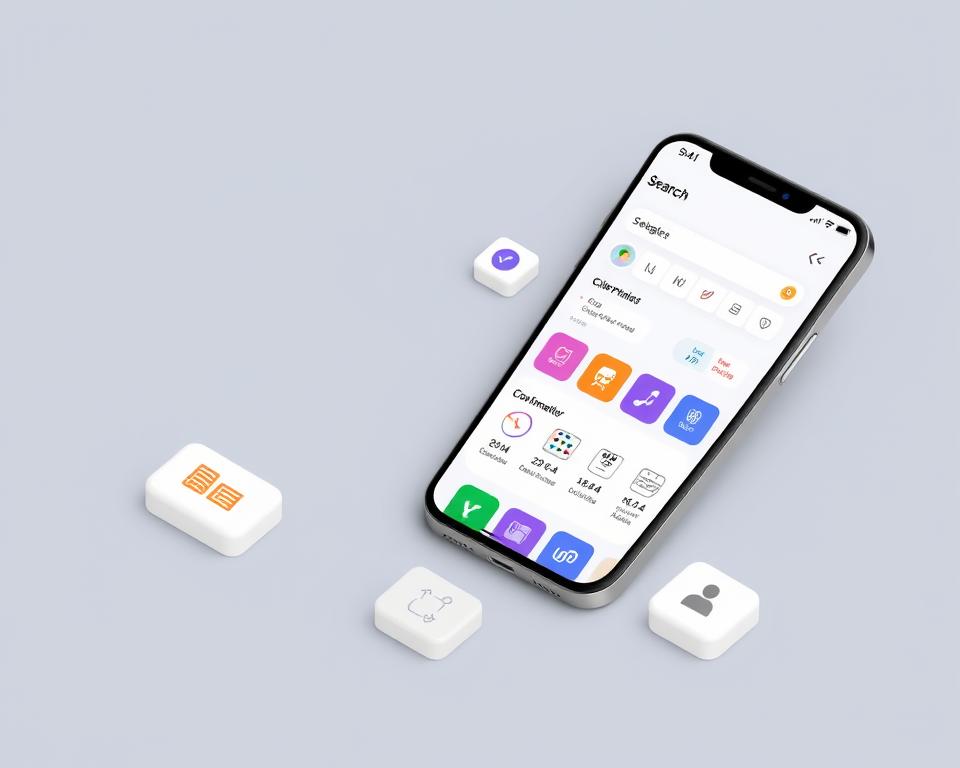
On Demand App Development Cost in 2025: Comprehensive Breakdown
Knowing the costs of making an on-demand app is key for businesses and entrepreneurs. The price to develop an app can be between $50,000 and $200,000 or more. This depends on how complex the app is and the tech used.
A comprehensive breakdown of costs is vital. It helps consider all aspects. This includes the cost of the development team, the tech stack, and the infrastructure needed.
Development Team Expenses
The cost of a development team varies a lot. It depends on location, experience, and tech skills. Some main costs are:
- Developer salaries
- Project manager fees
- Designer costs
Technology Stack Costs
The tech stack used affects the on-demand app development cost. Costs include licenses, subscriptions, and infrastructure.

Infrastructure Requirements
The infrastructure needed for an on-demand app adds to the cost. This includes servers, storage, and networking.
By understanding these costs, businesses and entrepreneurs can plan better. They can budget for their app development project. This ensures a successful and affordable outcome.
Technical Factors Influencing Development Costs
Technical factors play a big role in the cost of making on-demand apps. It’s important for businesses and entrepreneurs to understand these factors. The choice of platform is a key factor, affecting the cost. A study showed that native apps are usually pricier than cross-platform ones.
Some important technical factors to think about include:
- Platform selection: Native or cross-platform
- Integration complexities: Third-party APIs and services
- Scalability considerations: Handling increased traffic and user growth
By looking at these technical factors, businesses and entrepreneurs can make better choices. This can help cut costs and make the development process more efficient. 
| Technical Factor | Description | Impact on Cost |
|---|---|---|
| Platform Selection | Choice of native or cross-platform development | Native apps are typically more expensive |
| Integration Complexities | Integration with third-party APIs and services | Increased complexity can increase costs |
| Scalability Considerations | Handling increased traffic and user growth | Scalable solutions can reduce long-term costs |
Regional Cost Variations in App Development
It’s key for businesses and entrepreneurs to know about regional cost differences in app development. The cost can change a lot based on where you are. Developers in North America and Europe usually charge more than those in Asia and Latin America. This is because of different labor costs, infrastructure, and market conditions.
Several factors influence regional cost variations in app development. These include the cost of living, labor laws, and the number of skilled developers. For example, the U.S. might have higher rates because of its high cost of living and strict labor laws. On the other hand, India or China might offer lower rates because of their lower labor costs.
When looking at app development costs, businesses and entrepreneurs should think about a few things:
- Labor costs: The price of hiring developers, designers, and project managers varies by region.
- Infrastructure costs: The cost to set up and keep servers and data centers also changes by region.
- Market conditions: The demand for app development services and competition in the market can affect costs.
Recent estimates show app development costs can range from $5,000 to $500,000 or more. This depends on the project’s complexity and the region. It’s important to research and compare prices from different places and developers to understand these costs better.

By understanding regional cost variations and app development costs, businesses and entrepreneurs can make better choices. They can pick the best option for their needs and budget in app development projects.
Timeline and Resource Requirements
Knowing the timeline and resources needed for on-demand app development is key. A study shows it can take 3 to 6 months to make an app. This depends on how complex the app is and the size of the team.
The process has several steps: planning, design, development, testing, and deployment. Each step needs specific resources and time. For example, planning might take a few weeks, while development can take months.
Development Phases
Here are the main development phases and their timelines:
- Planning: 2-4 weeks
- Design: 4-6 weeks
- Development: 12-20 weeks
- Testing: 4-6 weeks
- Deployment: 2-4 weeks
Knowing these phases helps businesses plan better. It ensures a smooth app development process.

Team Composition
A typical team for an on-demand app includes a project manager, designers, developers, and testers. The team’s makeup affects the project’s timeline and resources. For instance, skilled developers can work faster, and a good project manager keeps the project on track and within budget.
| Team Member | Role | Timeline |
|---|---|---|
| Project Manager | Oversee the project | Full project duration |
| Designers | Design the app | 4-6 weeks |
| Developers | Develop the app | 12-20 weeks |
| Testers | Test the app | 4-6 weeks |
Maintenance and Ongoing Operational Costs
It’s key for businesses and entrepreneurs to know the costs of keeping an on-demand app running. The yearly cost can be between $5,000 and $20,000. This depends on how complex the app is and how many users it has.
The maintenance and operational costs include server expenses, which can be high. These costs depend on the app’s complexity, user base, and technology used. To cut server expenses, using cloud services or optimizing the app’s design can help.

Other costs include updates and support, and keeping the app secure. Regular updates and support keep the app working well. Security is vital to protect user data and prevent threats.
To lower maintenance and operational costs, consider these strategies:
- Optimize app architecture and technology stack
- Use cloud-based services for server expenses
- Implement efficient update and support processes
- Prioritize security maintenance and user data protection
Cost Optimization Strategies
Understanding cost optimization strategies is key for businesses and entrepreneurs. It helps them cut costs and work more efficiently. A study showed these strategies can cut on-demand app development costs by up to 30%.
Good budget planning is a big part of cost optimization. It means finding ways to spend less without lowering app quality. Ways to do this include outsourcing, using agile methods, and making the development process smoother.
Some strategies to think about include:
- Outsourcing tasks to save on labor costs
- Using agile development to make the process faster
- Reducing infrastructure costs with cost optimization strategies
By using these strategies, businesses can save money and boost their profits. It’s important to plan budgets carefully. This ensures costs are kept low throughout the development process.
By focusing on cost optimization, businesses can finish their app projects on time and within budget. They can also meet the quality standards needed.
Return on Investment Projections
For businesses and entrepreneurs, knowing about return on investment is key. On-demand apps can see returns from 200% to 500%. This depends on the app type and user base size.
Effective revenue models play a big role. They help earn more while spending less. A good revenue model boosts the chance of a strong return on investment.
Revenue Models
On-demand apps use different revenue models. These include commission-based, subscription-based, and advertising-based. Each model has its own pros and cons. The right choice depends on the business’s needs and goals.
Break-even Analysis
A break-even analysis is vital. It shows when an app will start making money. By looking at return on investment projections and revenue models, businesses can spot what makes them profitable. This helps in making smart investment and resource decisions.
Understanding return on investment and revenue models is crucial. It helps in making a successful on-demand app. This requires careful planning and execution. But the rewards are worth it.
Common Pitfalls to Avoid in Budget Planning
Creating a budget for on-demand app development requires careful planning. It’s important to know common pitfalls that can raise costs and slow down progress. A study showed that hidden costs and poor resource use can add up to 50% to the app’s cost.
To steer clear of these issues, focus on planning and resource use. Key areas to pay attention to include:
- Accurate estimation of development time and costs
- Clear communication with the development team
- Regular monitoring of progress and expenses
By knowing these common pitfalls and taking steps to avoid them, businesses can cut costs and make their app development more efficient. Hidden costs like unexpected expenses or delays can be managed with good planning and resource use.
By understanding and avoiding these common pitfalls, businesses can make a successful on-demand app that fits their needs and budget. It’s crucial to stay updated and adapt to market changes to keep the app competitive and profitable.
Conclusion
Knowing the costs of on-demand app development is key for businesses and entrepreneurs. The price can vary from $50,000 to $200,000 or more. This depends on the app’s complexity and the tech used.
Looking at market trends and growth can help make smart choices. The features and tech behind apps affect their cost. Using cost-saving strategies can make apps more efficient and successful.
In short, the cost of on-demand app development matters a lot. Understanding what affects this cost and using smart strategies can lead to a great app. As more people want on-demand apps, staying up-to-date with trends is crucial to stay ahead.