





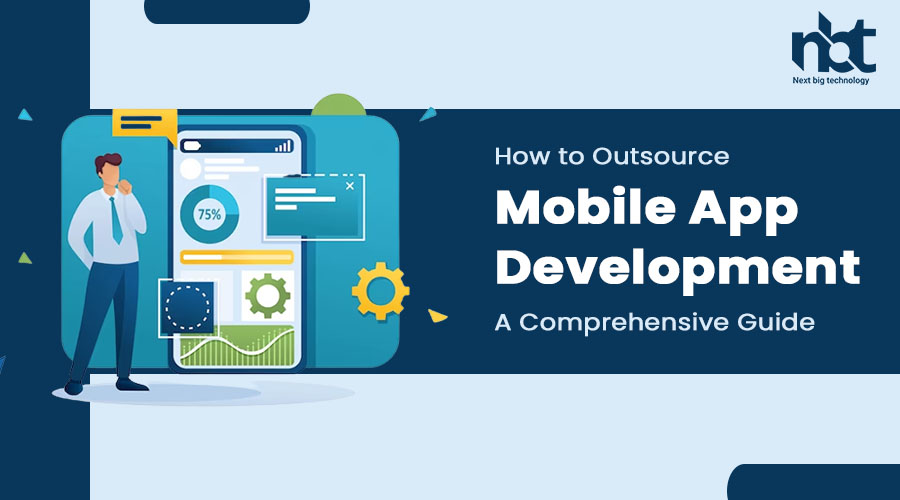
Introduction: In today’s digital era, mobile apps have become essential tools for businesses to reach and engage with their target audience. However, developing a mobile app in-house can be time-consuming and resource-intensive. That’s where outsourcing mobile app development comes into play. Outsourcing offers numerous benefits, including cost savings, access to specialized expertise, and faster time-to-market. In this blog, we will provide you with a comprehensive guide on how to outsource mobile app development successfully.
- Define Your App Requirements: Before diving into the outsourcing process, it is crucial to have a clear understanding of your app requirements. Define the purpose, target audience, key features, and desired platform (iOS, Android, or both). Create a detailed project brief that outlines your expectations, including the app’s functionality, design, and desired timeline.
- Research and Shortlist Potential Partners: Conduct thorough research to identify potential outsourcing partners. Look for reputable mobile app development companies with a track record of delivering quality projects. Consider factors such as their portfolio, client reviews, expertise in your industry, team size, and the technologies they specialize in. Shortlist a few companies that align with your project requirements.
- Evaluate the Shortlisted Companies: Once you have a shortlist of potential partners, it’s time to evaluate them further. Consider the following aspects:
- Experience and Expertise: Assess their experience in mobile app development and their proficiency in the required technologies (e.g., iOS, Android, hybrid frameworks).
- Portfolio: Review their portfolio to see if they have developed apps similar to your project and whether their designs and functionalities meet your expectations.
- Client References: Request references from their previous clients and reach out to get insights into their experience working with the company.
- Communication and Collaboration: Evaluate their communication channels, responsiveness, and their ability to understand and address your concerns.
- Development Process: Understand their development process, including project management methodologies, quality assurance practices, and post-launch support.
- Budget and Cost: Discuss pricing models, project estimates, and payment terms to ensure they fit within your budget.
- Request and Review Proposals: Once you have evaluated the shortlisted companies, request proposals from them. A comprehensive proposal should include:
- Project Scope: A detailed breakdown of the features, functionalities, and design elements they will develop for your app.
- Timeline: An estimated timeline for different stages of development, including milestones and deliverables.
- Team Structure: Information about the team members who will be working on your project, their roles, and expertise.
- Development Methodology: Details about the development approach they will follow, such as Agile or Waterfall, and how they will handle project management and communication.
- Pricing and Payment Terms: A clear outline of the project cost, payment milestones, and any additional charges or ongoing maintenance fees.
- Intellectual Property: Clarification on the ownership of the app’s source code and other intellectual property rights.
- Non-Disclosure Agreement (NDA): If required, ensure that they are willing to sign an NDA to protect your confidential information.
- Conduct Interviews and Assess Compatibility: After reviewing the proposals, schedule interviews or meetings with the shortlisted companies. This will provide an opportunity to discuss the project in more detail and assess their compatibility with your team. Consider the following factors during the interviews:
- Communication Skills: Evaluate their ability to understand your requirements and communicate effectively.
- Technical Expertise: Assess their knowledge of the required technologies and their ability to provide innovative solutions.
- Cultural Fit: Consider their work culture, values, and their willingness to collaborate closely with your team.
- Scalability: If you anticipate scaling your app or adding new features in the future, ensure they have the capacity to handle future growth.
- Sign the Contract and Define Project Milestones: Once you have selected the outsourcing partner, it is essential to sign a detailed contract that clearly outlines the project scope, timelines, deliverables, payment terms, and other legal aspects. Define specific project milestones to ensure transparency and accountability throughout the development process. Regularly review and monitor the progress against these milestones.
- Collaborate and Communicate Effectively: Establish effective channels of communication to maintain a smooth collaboration with the outsourcing team. Use project management tools, video conferences, and regular status updates to keep track of the progress, address any concerns promptly, and maintain transparency. Encourage open and proactive communication to foster a successful partnership.
- Quality Assurance and Testing: Ensure that the outsourcing company has a robust quality assurance process in place. Regularly test the app’s functionalities, user experience, and compatibility across different devices and operating systems. Conduct user acceptance testing to gather feedback and make necessary improvements.
- Launch and Post-Launch Support: Work closely with the outsourcing team during the app launch phase to ensure a smooth release on the app stores. Once the app is live, discuss post-launch support and maintenance agreements. Define the scope of ongoing maintenance, bug fixing, updates, and potential future enhancements.
- Build a Long-Term Relationship: Building a long-term relationship with your outsourcing partner can be beneficial for future projects and updates. A trusted partner who understands your business goals and has worked on your app can provide valuable insights and continuity.
Conclusion: Outsourcing mobile app development offers numerous advantages, including cost savings, access to specialized expertise, and faster time-to-market. By following this comprehensive guide, you can successfully navigate the outsourcing process. Clearly define your app requirements, thoroughly research potential partners, evaluate proposals, conduct interviews, sign a detailed contract, and foster effective communication throughout the development cycle. With careful planning and collaboration, outsourcing mobile app development can help you achieve your app goals efficiently and effectively.