







Many B2B SaaS companies face challenges with manual invoices and missed payments. They need to add recurring services to custom e-commerce to grow fast and efficiently.
Smart software keeps your cash flow steady and reliable every month. Stability is the heartbeat of any digital venture.
Manual work can lead to costly errors and unhappy customers. Switching to billing automation saves time. It lets your team focus on growth, not messy spreadsheets. This change is crucial for businesses aiming to lead in the United States.
A top-notch subscription billing engine makes managing recurring revenue models easy. It handles upgrades, downgrades, and trial periods without human help.
True efficiency comes from removing friction in the payment cycle. The right technology builds a strong base for long-term success and loyal customers.
Table of Contents
Key Takeaways
- Automated systems reduce human error in invoicing.
- Scalable software supports diverse pricing structures.
- Real-time tracking improves cash flow visibility.
- Reducing manual tasks allows teams to focus on growth.
- Seamless transitions improve the overall customer experience.
Understanding Subscription Billing Engines and Their Importance
Subscription-based services are becoming more common. This makes understanding subscription billing engines key for businesses. They need efficient, flexible, and scalable billing systems to thrive.
Subscription billing engines manage complex billing, automate payments, and cut down on administrative work. They help businesses keep customers happy, reduce lost revenue, and improve financial planning.
What Is a Subscription Billing Engine
A subscription billing engine is advanced software for managing subscription-based products or services. It handles tasks like creating invoices, processing payments, and managing subscriptions. It also takes care of customer communications.
These engines are highly customizable. Businesses can adjust the billing process to fit their needs. This includes setting up different pricing models and handling subscription changes.

How Subscription Billing Differs from Traditional Invoicing
Traditional invoicing is manual, time-consuming, and error-prone. Subscription billing engines automate the process. This reduces errors and lets staff focus on strategic tasks.
Traditional invoicing is for one-time sales. Subscription billing engines handle ongoing billing, proration, and subscription plan changes.
| Feature | Traditional Invoicing | Subscription Billing Engines |
|---|---|---|
| Billing Frequency | One-time or manual scheduling | Automated recurring billing |
| Error Handling | Manual error correction | Automated error handling and retries |
| Scalability | Limited by manual processing | Highly scalable with automation |
The Growing Demand for Recurring Revenue Models
Businesses are moving to recurring revenue models for stable income and better customer relationships. Subscription models offer more predictable revenue than one-time sales.
This shift is seen in many industries, like software, entertainment, healthcare, and consumer goods. The need for efficient subscription billing engines has grown a lot.
Why Businesses Need Custom Billing Solutions
While standard billing solutions work for some, many need custom solutions. Custom solutions can handle complex pricing, integrate with existing systems, and adapt to changing needs.
Investing in a custom subscription billing engine can boost efficiency, customer satisfaction, and revenue growth.
Core Components of a Modern Billing System
In today’s world, a strong billing system is key to success. It’s not just a need; it’s a way to stand out. As more businesses move to recurring revenue, a good billing engine is essential.
A modern billing system has many important parts. These parts work together to make financial operations smooth. They handle everything from managing customers to creating invoices.
Customer and Account Management
Good customer and account management is the base of a billing system. It’s about more than just keeping customer info. It’s about managing their subscriptions and payments too.
User Profile and Identity Management
A strong user profile system keeps detailed records of customers. This includes their contact info, what they’re subscribed to, and how they pay. This lets businesses talk to customers in a personal way, making their experience better.
Multi-Tenant Architecture
For companies with many brands or products, a multi-tenant system is a must. It lets one billing software serve many brands. Each brand gets its own setup and data, keeping everything secure and running smoothly.
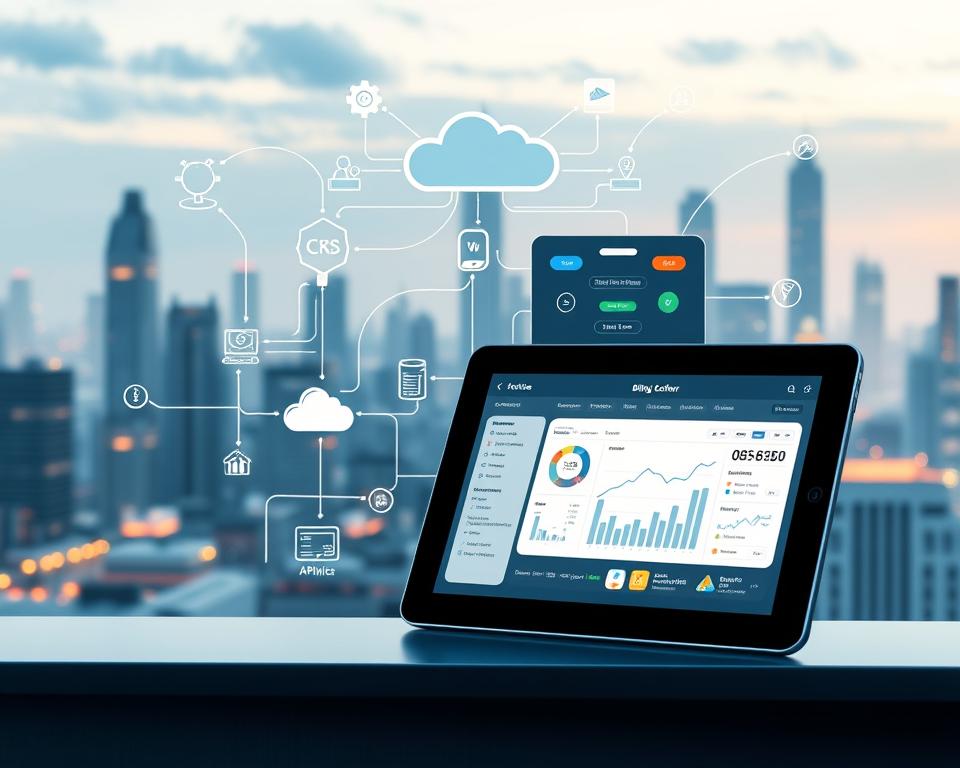
Subscription Plan Configuration and Management
Being able to change and manage subscription plans easily is crucial. This is especially true for businesses that often update their offers or have complex pricing.
Plan Versioning and Changes
Plan versioning helps track changes to subscription plans. This ensures customers are billed right, even as plans change. It’s great for businesses with complex pricing or need to follow rules.
Add-Ons and Extras Management
Being able to offer extra services is a big plus. It lets businesses sell more without having to change customer billing manually.
As Zuora’s research shows, managing complex billing is key for businesses in the subscription world. This shows how important a flexible and strong billing system is.
Pricing Engine and Calculation Logic
The pricing engine is the core of a billing system. It figures out charges based on plans, usage, and more. A good pricing engine can handle all sorts of pricing rules and promotions, making sure customers are billed right.
Invoice Generation and Distribution
Finally, being able to make and send invoices well is key for cash flow. Modern systems can automate invoicing, sending them out however customers prefer.
As businesses grow, their billing systems need to keep up. Investing in a modern system with strong parts helps businesses stay ahead in the subscription world.
Business Benefits of Custom Subscription Billing Engine Development
A custom subscription billing engine brings many benefits to businesses. It can increase revenue and improve customer satisfaction. By making the billing system fit their needs, companies can solve their unique problems and find new opportunities.
Increased Revenue and Reduced Revenue Leakage
One big plus of a custom billing engine is boosting revenue and cutting down on lost sales. A study shows that automated billing can greatly reduce lost sales. Automating billing cuts down on mistakes, so customers pay right and on time.
“Lost sales are a big worry for businesses with complex billing,” says a billing expert. “A custom billing engine offers a solution that fits the company’s needs.” This way, businesses can stay financially stable and forecast better.

Enhanced Customer Experience and Retention
A custom billing engine also makes the customer experience better. It offers a smooth and flexible billing process. This can make customers happier and keep them from leaving. For example, giving customers different payment choices and clear invoices makes managing subscriptions easier.
Also, a good billing system lets businesses tailor their services and answer customer questions fast. This can build loyalty and keep customers coming back, helping the business grow over time.
Operational Efficiency and Automation
Custom billing engines automate many tasks, letting staff focus on important work. By making billing smoother, businesses can cut down on paperwork and mistakes.
Automation also helps businesses grow more easily. As they get bigger, the billing engine can handle more transactions without needing more manual work.
Better Financial Reporting and Forecasting
A custom billing engine gives businesses instant insights into their finances. With accurate and current data, companies can make smarter choices about their operations and plans.
Also, a good billing system helps with improving financial forecasts. By looking at past data and trends, businesses can guess future earnings better and adjust their plans.
Essential Features for Subscription Billing Engines
Subscription billing engines are key for businesses with subscriptions. They help manage billing well. A good engine makes customers happy, keeps more money, and works better.
Automated Recurring Billing and Payment Collection
Automated recurring billing is a main feature. It lets businesses charge customers regularly without help. This means payments are on time and less work for the business.
Multiple Payment Gateway Integration
Businesses need a billing engine that works with multiple payment gateways. This lets customers pay how they want. It also lowers the chance of payment problems.
Intelligent Dunning Management
Dunning management is key for handling failed payments. A smart system tries payments again, tells customers, and changes how it tries based on rules.
Failed Payment Recovery Workflows
A good dunning system has failed payment recovery workflows. These help get back money lost to failed payments. They can try payments again, send messages, and get help from support.
Customer Communication Automation
Customer communication automation is important in dunning. It automates messages about payment issues. This makes customers happier and saves staff time.
Proration and Mid-Cycle Subscription Changes
Proration lets businesses adjust charges for changes in subscriptions. It’s key for flexible plans. It makes sure customers pay right for what they use.
For more on making a subscription app, check this guide. It talks about making the app and important things to think about.
Credit and Refund Management
Good credit and refund management keeps customers happy. A good billing engine handles credits and refunds well. This makes sure customers get the right changes to their accounts.

Supporting Diverse Pricing Models and Strategies
A good subscription billing engine must handle many pricing models. This is key for businesses to stay competitive. Today’s market is fast-changing, and being flexible with prices can give you an edge.
Being able to change pricing strategies is vital. It helps increase revenue, make customers happy, and grow your business. A flexible engine lets you try out different models, see how they work, and tweak them as needed.
Flat-Rate and Fixed Subscription Pricing
Flat-rate pricing is simple. Customers pay a fixed amount regularly for a service or product. It’s liked for being easy to understand and predict.
Benefits of flat-rate pricing include:
- Easy to understand and communicate to customers
- Simplifies billing and revenue forecasting
- Can attract a broad customer base due to its simplicity
Tiered Pricing with Feature Differentiation
Tiered pricing offers plans with different features at various prices. It lets businesses serve a wide range of customers with different needs and budgets.
Key aspects of tiered pricing include:
- Differentiation based on features, usage limits, or support levels
- Ability to upsell or cross-sell by offering higher tiers with additional benefits
- Flexibility to adjust tiers and pricing based on market feedback and customer behavior

Usage-Based and Metered Billing
Usage-based billing charges based on actual service or product use. It’s great for businesses with services that vary by customer.
Tracking and Measuring Usage
To use usage-based billing well, you need to track and measure use. This means using metering systems that accurately record how much customers use.
Rating and Calculation of Usage Charges
After tracking use, you need to set and apply charges based on rules. This should be automated in your billing engine for accuracy and efficiency.
For complex billing needs, like working with many providers or detailed rules, you need a smart billing engine. You might look into custom development solutions to fit your exact needs.
Hybrid and Custom Pricing Structures
Many businesses use a mix of pricing models or create their own. Hybrid models mix flat-rate for basics with usage-based for premium services. This offers flexibility and value.
Benefits of hybrid pricing include:
- Flexibility to cater to different customer segments
- Ability to offer tailored pricing that aligns with customer usage patterns
- Potential to increase average revenue per user (ARPU) by offering value-added services
| Pricing Model | Description | Benefits |
|---|---|---|
| Flat-Rate | Customers are charged a fixed amount at regular intervals. | Simple, predictable, easy to understand. |
| Tiered Pricing | Multiple plans with varying features or services at different prices. | Caters to different customer needs, allows for upselling. |
| Usage-Based | Charges based on actual usage of a service or product. | Aligns costs with usage, can attract heavy users. |
| Hybrid | Combines different pricing models. | Offers flexibility, can cater to various customer segments. |
Freemium and Trial Period Management
Freemium models offer basic services for free, with premium features costing money. Trial periods let customers try services before paying. A good billing engine handles these models well, converting free or trial subscriptions to paid when it’s time.
Key considerations for freemium and trial period management include:
- Clear communication of what is included in the free or trial version
- Automated conversion to paid plans to minimize manual intervention
- Flexibility to adjust trial lengths or freemium features based on customer feedback and behavior
Technical Architecture and System Design
Creating a strong technical architecture is key for a subscription billing engine. It must handle complex billing and grow with the business. A good design makes the system reliable, fast, and easy to add new features.
Choosing Between Microservices and Monolithic Architectures
Deciding between microservices and monolithic architectures is important. Microservices offer flexibility and scalability. They let different parts of the system grow and change on their own. Monolithic systems are simpler to start but can get hard to manage as they grow.
Comparison of Microservices and Monolithic Architectures:
| Criteria | Microservices Architecture | Monolithic Architecture |
|---|---|---|
| Scalability | Highly scalable, individual components can be scaled as needed | Limited scalability, the entire application must be scaled |
| Flexibility | Allows for the use of different technologies and frameworks for different services | Limited to a single technology stack |
| Complexity | Higher complexity due to the distributed nature of the system | Lower initial complexity, but can become complex as the system grows |
Database Design for Billing Data
Good database design is crucial for a subscription billing engine. It affects the system’s performance and ability to handle complex billing. Key points include ensuring transactional integrity and keeping detailed audit trails.
Transactional Integrity and ACID Compliance
Keeping billing data accurate and reliable is essential. ACID (Atomicity, Consistency, Isolation, Durability) compliance helps achieve this. It ensures database transactions are processed reliably.
Audit Trails and Historical Data Management
Keeping detailed audit trails and historical data is key. It helps track billing changes and meet regulatory needs. A good database design is needed to store and manage this data efficiently.

API-First Development Philosophy
Using an API-first development approach is important today. It makes the system ready for integration from the start. This helps it work smoothly with other business systems.
Event-Driven Architecture for Billing Events
An event-driven architecture is great for handling billing events in subscription businesses. It’s designed to produce, detect, and consume events. This makes the billing engine responsive and scalable.
Payment Processing Infrastructure and Gateway Integration
A strong payment processing system is key for businesses that use subscriptions. It helps manage payments, cut down on failures, and make customers happier.
Connecting Multiple Payment Service Providers
Businesses should link up with many payment service providers. This makes payments more reliable and lets customers pick their favorite ways to pay.
- Redundancy and Backup: Having many gateways means if one fails, others can step in. This cuts down on lost time and money.
- Global Reach: Different places have their own payment favorites. Using many gateways helps meet these needs.
- Competitive Pricing: By working with several gateways, businesses can get better deals on transaction fees.
Supporting Various Payment Methods
It’s important to offer many payment options. This meets different customer needs and boosts sales. Here are some key ones:
Credit and Debit Card Processing
Credit and debit cards are very popular. It’s important to support major brands like Visa, Mastercard, and American Express.
ACH and Bank Transfer Options
ACH and bank transfers are becoming more popular for regular payments. They’re cheaper than other methods.
Digital Wallets and Alternative Payments
Digital wallets like PayPal, Apple Pay, and Google Pay make payments easy and safe. Adding these options can improve the checkout process.
Payment Tokenization and Secure Storage
Payment tokenization is a big security step. It replaces real payment info with a token. This keeps customer data safe and reduces the chance of data theft.
- Enhanced Security: Tokenization hides sensitive payment info, making it safer.
- Compliance: It helps follow rules like PCI DSS by reducing the need to store sensitive data.
- Recurring Payments: Tokenized payments make it easier to handle regular subscriptions without storing sensitive info.
Retry Logic and Failed Payment Handling
Having a good system for retrying failed payments is crucial. It helps avoid losing money due to failed transactions. Here’s how:
- Smart Retry Logic: It tries the payment again at the best time, based on why it failed.
- Notification Systems: It sends alerts to customers and staff about failed payments, so they can fix the issue.
- Dunning Management: It handles the process of getting failed payments back through follow-ups.
Security, Compliance, and Data Protection
Security, compliance, and data protection are key for trustworthy billing systems. Keeping customer data safe is a must. It’s not just the law, but it keeps customers trusting and loyal.
PCI DSS Compliance for Payment Data
The Payment Card Industry Data Security Standard (PCI DSS) ensures credit card info is safe. It’s a must for any business that handles card data.
Key requirements for PCI DSS compliance include:
- Implementing robust security measures to protect cardholder data
- Regularly updating anti-virus software and conducting vulnerability scans
- Encrypting sensitive data both at rest and in transit
- Restricting access to cardholder data on a need-to-know basis
Data Encryption at Rest and in Transit
Data encryption is crucial for a secure billing system. It keeps sensitive info safe from unauthorized access.
Encryption at rest protects data stored on databases and file systems. Encryption in transit keeps data safe as it moves between systems or over networks. Strong encryption protocols are essential for customer data integrity.
SOC 2 and Security Audit Requirements
SOC 2 (Service Organization Control 2) checks a service’s systems for security and more. Getting SOC 2 compliant shows a business’s commitment to security.
GDPR and Privacy Regulations
The General Data Protection Regulation (GDPR) is a big data protection law in the EU. Businesses must follow GDPR to handle personal data correctly.
Tax Compliance and Calculation
Tax compliance means accurately calculating and paying taxes on transactions. This includes sales tax, VAT, and other regional taxes.
Sales Tax and VAT Management
Understanding and applying tax laws in different places is key for sales tax and VAT management.
Integration with Tax Services
Working with tax services can make tax compliance easier. It automates tax calculations and keeps things accurate. This is important for following changing tax rules.
The following table summarizes key compliance requirements for subscription billing engines:
| Compliance Requirement | Description | Key Benefits |
|---|---|---|
| PCI DSS | Security standard for handling credit card information | Protects cardholder data, reduces risk of data breaches |
| GDPR | Data protection regulation for the EU | Ensures privacy and security of personal data |
| SOC 2 | Auditing standard for service organizations | Demonstrates commitment to security and compliance |
| Tax Compliance | Accurate calculation and remittance of taxes | Reduces risk of tax-related penalties and fines |

The Complete Development Process for Billing Engines
Creating a billing engine takes several key steps. These steps make sure it works well and reliably. It’s designed to handle the complex needs of today’s businesses. It offers a strong and growing solution for managing subscriptions and billing.
Discovery and Requirements Analysis Phase
The first step is understanding the business and technical needs of the project. This is the discovery and requirements analysis phase.
Business Model Assessment
This phase deeply looks at the business model. It finds out what’s needed and what challenges might come up. It checks the subscription models, pricing, and how revenue is recognized.
Technical Requirements Documentation
After the business model check, the technical needs are written down. This includes what features, integrations, and performance metrics the billing engine needs. For more on making custom billing software, see this resource.
System Architecture and Design Phase
In this phase, the technical needs are turned into a detailed system design. It decides on the technology, database, and overall system architecture.

Development and Implementation Phase
This is where the billing engine is actually built. The coding and development happen here.
Agile Development Methodology
An agile development methodology is used. It helps with ongoing improvement and flexibility. This makes the development process more adaptable.
Sprint Planning and Execution
Sprint planning and execution are key in agile development. The team works in sprints to add features and keep the project on track.
Quality Assurance and Testing Phase
After development, the billing engine is tested and checked for quality. This phase is vital for finding and fixing bugs before it’s live.
| Testing Type | Description | Objective |
|---|---|---|
| Unit Testing | Testing individual components | Ensure each unit functions correctly |
| Integration Testing | Testing integrated components | Verify that components work together seamlessly |
| End-to-End Testing | Testing the entire system | Validate the system’s functionality and performance |
Deployment and Go-Live Strategy
The last phase is deploying the billing engine and making it live. A good deployment plan is key to avoid downtime and ensure a smooth start.
Integration Ecosystem and Third-Party Connectivity
A strong integration ecosystem is key for subscription billing engines to work well with other apps. This makes businesses run smoother, improves customer service, and gives insights into billing and revenue.
Customer Relationship Management System Integration
Linking a subscription billing engine with a CRM system is essential. It keeps all customer info in one place. This way, sales, marketing, and support teams get the latest data.
“CRM integration is key to providing a seamless customer experience and improving sales efficiency.” It automates tasks, cuts down on manual work, and boosts customer happiness.
Accounting and Financial Software Connectivity
Connecting billing engines to accounting software is crucial for accurate financial records. It helps avoid errors and keeps everything in line with accounting rules.
QuickBooks and Xero Integration
Linking with QuickBooks and Xero makes financial management easier. It keeps invoices, payments, and customer data in sync, ensuring financial records are current.
NetSuite and SAP Connections
For big companies, NetSuite and SAP connections offer advanced financial tools. They handle complex billing, revenue tracking, and reports, helping manage finances well.
Analytics and Business Intelligence Tools
Connecting billing engines with analytics tools gives businesses valuable data insights. It lets them create reports and dashboards, helping make better decisions and grow.
Communication Platform Integration
Connecting with communication platforms automates billing and subscription notifications. It boosts customer interaction and saves business time.
Webhooks and Real-Time Event Notifications
Webhooks and real-time notifications are vital for app integration. They let systems share data instantly, helping businesses act fast on billing events.
With a solid integration ecosystem, businesses can have a smooth billing process. This supports their growth and success.
Testing and Quality Assurance Strategies
Testing and quality assurance are key in making a subscription billing engine work well. A good testing plan makes sure the system is reliable, accurate, and fast. This is vital for keeping customers happy and helping your business grow.
Unit Testing for Billing Logic
Unit testing is the base of a solid testing plan. It checks each part of the billing engine. It makes sure things like prorations, taxes, and discounts are right. Automated unit tests help check if the billing engine works as it should.
Integration and End-to-End Testing
Unit testing checks parts, but integration and end-to-end testing check how they work together. This testing makes sure the billing engine works well with other systems. It also checks if the whole billing process works right.
Payment Flow and Transaction Testing
Testing how payments work is very important. It checks if payments go through right and safely. Sandbox environments and mock payment gateways help test different payment situations without real money.
Sandbox and Test Environment Setup
A good sandbox environment is like the real one but for testing. It lets you test different plans, payment methods, and billing situations.
Mock Payment Gateway Testing
Mock payment gateways let developers test how payments might go. They can test things like approvals, declines, and errors without real payments. This helps find and fix payment problems.
Load Testing and Performance Validation
Load testing checks if the billing engine can handle lots of transactions. It finds problems and makes sure the system can grow with your business.
User Acceptance Testing and Beta Programs
User Acceptance Testing (UAT) checks if the billing engine meets business needs and user wants. Doing UAT and beta programs with some customers or team members finds usability issues. It makes sure the system meets user needs.
Experts say, “A strong testing plan is not just about finding bugs. It’s about making sure the billing system works smoothly for customers. This directly affects how happy they are and if they stay with you.”
“The quality of your billing system affects how your customers see your service. Making sure it’s solid, reliable, and easy to use is key.”
Scalability and Performance Optimization
To grow, subscription billing engines need to be scalable and perform well. A good billing system can handle more transactions, grow with the business, and keep customers happy.
Designing for High Transaction Volume
Creating a billing system for lots of transactions needs careful planning. High transaction volumes are managed with a strong architecture. This includes load balancing, distributed processing, and smart database design.
Businesses should think about growing when they design their billing system. They should pick technologies and architectures that can grow with demand.
Database Query Optimization Techniques
Keeping a subscription billing engine fast is key. Techniques like indexing, caching, and simplifying queries can make databases run better.
Indexing makes data easier to find. Caching saves data that’s often needed, making queries faster.
Caching Strategies for Billing Data
Good caching can make a billing system run faster. It stores data in memory, cutting down on database queries and speeding up responses.
Redis and In-Memory Caching
Redis is a top choice for caching. It’s fast and efficient, making billing systems quicker and more reliable.
CDN for Static Content Delivery
A Content Delivery Network (CDN) can also boost billing system performance. It spreads static content around, making pages load faster and improving user experience.
Horizontal and Vertical Scaling Approaches
Businesses can scale their systems in two ways. Horizontal scaling adds more servers to share the load. Vertical scaling makes existing servers more powerful.
Both methods have benefits and can work together for the best results.
Monitoring and Performance Metrics
Keeping an eye on performance is crucial. Important metrics include how fast transactions are processed, system latency, and error rates.
By watching these, businesses can spot problems early. This keeps their billing system running smoothly and efficiently.
Overcoming Common Development Challenges
Creating a good subscription billing engine is tough. Businesses face challenges like complex pricing and billing across different countries. They need a billing system that’s strong and can change with their needs.
Managing Complex Pricing and Billing Rules
Dealing with complex pricing and billing rules is hard. Companies have to handle many pricing levels, special offers, and discounts. They need a billing engine that can handle these issues well.
For example, a company might have different plans based on how much you use, with discounts for buying more. They need a billing system that can figure out the right charges based on many factors.
Handling International Billing and Multi-Currency
International billing and dealing with different currencies are big challenges. Companies worldwide must handle various currencies, taxes, and payment methods. A billing system that supports many currencies and handles exchange rate changes is key.
| Feature | Description | Benefit |
|---|---|---|
| Multi-Currency Support | Ability to handle transactions in multiple currencies | Simplifies international billing and reduces currency exchange issues |
| Foreign Exchange Management | Automated handling of foreign exchange rates and conversions | Reduces the risk associated with currency fluctuations |
| Localized Payment Options | Support for various payment methods preferred in different regions | Enhances customer experience and increases payment success rates |
Revenue Recognition and Accounting Standards
Following revenue recognition standards like ASC 606 is very important. ASC 606 means recognizing revenue as it’s earned, not when it’s received. This can be hard to do by hand.
ASC 606 Compliance
To follow ASC 606, businesses need a billing system that tracks and reports revenue correctly. This means following complex accounting rules and handling deferred revenue well.
Deferred Revenue Management
Managing deferred revenue is key to ASC 606 compliance. It’s about tracking revenue that’s been received but not yet earned. A good billing system should handle this well.
For more on solving recurring billing problems, check out this article. It goes into detail about common issues and solutions.
Dealing with Time Zones and Billing Cycles
Handling different time zones and billing cycles is a challenge. A billing system that can work with various cycles and time zones is vital for global businesses.
Migration from Legacy Billing Systems
Switching from old billing systems to a new one is tough. It needs careful planning, moving data, and testing to make the switch smooth.
In summary, solving common challenges in subscription billing engine development takes careful planning, the right tech, and understanding business needs. By tackling these issues, businesses can build a strong and efficient billing system that helps them grow and keep customers happy.
Technology Stack Selection and Recommendations
The technology stack for a subscription billing engine is key to its success. It must handle complex billing, grow with the business, and work well with other systems.
Backend Programming Languages and Frameworks
Choosing the right backend language and framework is crucial. Each option has its own strengths and weaknesses.
Python with Django or Flask
Python is a top pick for backend work because of its simplicity and vast libraries. Django is great for complex billing systems with its architecture and APIs. Flask is better for smaller or specialized billing apps due to its lightness.
Node.js and Express
Node.js is excellent for real-time apps. Express is a lightweight framework for Node.js, helping build scalable billing systems.
Java and Spring Boot
Java is strong in enterprise settings. Spring Boot makes building secure and scalable billing apps easier with its pre-configured setup.
Database Solutions for Billing Data
The database must handle large billing data efficiently. The choice between relational and NoSQL databases depends on the data’s complexity and structure.
PostgreSQL for Relational Data
PostgreSQL is a top relational database for complex transactions and scalability. It’s perfect for billing systems needing strict data consistency and complex queries.
MongoDB for Flexible Schemas
MongoDB is a NoSQL database great for diverse and changing billing data structures. Its flexible schema design is ideal.
Cloud Infrastructure and Hosting Options
Cloud infrastructure offers scalability, reliability, and cost savings for billing engines. Major cloud providers have services for various needs.
Amazon Web Services Solutions
AWS has a wide range of services for computing, storage, and databases. They are scalable and secure.
Microsoft Azure Platform
Microsoft Azure is a robust cloud platform with advanced services for computing, AI, and data analytics. It’s a strong choice for hosting billing systems.
Google Cloud Platform
GCP is known for high-performance computing and data analytics. It offers a reliable environment for billing engines.
Message Queues and Background Job Processing
Message queues are vital for background jobs and keeping the billing system responsive. They handle tasks like invoice generation and payment processing asynchronously.
Best Practices for Long-Term Maintenance and Success
To keep a subscription billing engine running smoothly, follow best practices. These practices ensure reliability, security, and efficiency. A well-kept billing system is key for businesses that count on ongoing income. It affects customer happiness, steady income, and how well things run.
Continuous Monitoring and System Health Checks
Keeping an eye on your system is crucial. It helps spot problems early. This means:
- Using tools to watch system performance and health in real-time.
- Setting up alerts for anything unusual or security risks.
- Looking over system logs to find trends and areas to get better.
Regular Updates and Feature Enhancement Cycles
Keeping your billing system up-to-date is important. It must match your business’s needs and new tech. This includes:
- Choosing which features to add based on what customers say and your goals.
- Having a clear plan for updates to avoid problems.
- Always looking for ways to make the system easier to use.
Documentation Standards and Knowledge Transfer
Good documentation is key for keeping your system running smoothly. It helps your team manage and update it. Important steps include:
- Keeping detailed and current docs on how the system works.
- Making sure these docs are easy for your team to understand.
- Teaching new team members or taking over projects smoothly.
Disaster Recovery and Backup Strategies
Having a solid plan for disaster recovery and backups is crucial. It keeps your business going even when things go wrong. This means:
- Backing up important data regularly.
- Having a detailed plan for getting back up and running.
- Keeping backups safe and following the law.
Customer Support and Issue Resolution Processes
Good customer support and solving problems quickly are essential. They keep customers happy and trust your service. Best practices include:
- Offering support through different channels to meet customer needs.
- Making sure support teams know the system well.
- Having clear steps for solving tough problems.
Conclusion
Creating an effective subscription billing engine is key for businesses with recurring revenue. A good billing system automates complex billing, improves customer experience, and boosts revenue.
Customization and following best practices in billing are vital. Businesses should focus on billing automation. This reduces lost revenue, makes operations more efficient, and supports various pricing strategies.
Understanding a modern billing system’s core components helps businesses create a solution that fits their needs. A strong technical setup and integration ecosystem allow companies to grow and adapt to market changes.
In the end, a well-designed subscription billing engine is crucial for success in recurring revenue models. Investing in billing automation and following best practices leads to long-term growth, happy customers, and a competitive edge.


