







Creating cross-platform apps is key in mobile app development. It lets businesses reach more people on various devices. Flutter stands out as a top choice. It makes it easy to build apps for mobile, web, and desktop from one codebase.
Flutter is loved for its quick development, wide range of widgets, and smooth performance. As companies look for easy and affordable ways to make apps, cross-platform apps made with Flutter are getting more popular.
Table of Contents
Key Takeaways
- Flutter simplifies cross-platform app development with a single codebase.
- It offers a fast development cycle and rich set of widgets.
- Flutter’s performance is seamless across different platforms.
- It’s a cost-effective solution for businesses.
- Flutter is becoming a top choice for mobile app development.
The Evolution of Cross-Platform Development
The way we make mobile apps has changed a lot. Now, businesses can make one app that works on many platforms. This is great because it saves money and time compared to making separate apps for each platform.

Historical Challenges in Mobile App Development
Creating mobile apps used to be hard. Developers had to make different apps for each operating system. They also had to deal with different screen sizes and make sure apps worked on all devices.
This made apps take longer to make, cost more, and be harder to update. Native app development needed special skills for each platform. This made things even more complicated.
The Rise of Cross-Platform Solutions
Then, cross-platform solutions came along. These let developers make one app that works on many platforms. This made making apps faster and cheaper, and easier to keep up to date.
Frameworks like Flutter are popular because they make high-quality apps that look and feel native. These solutions have changed the way we make mobile apps. Now, it’s easier and more affordable for businesses of all sizes.
What Exactly Is Flutter?
Flutter is a UI toolkit that lets developers make apps for mobile, web, and desktop from one codebase. This makes app development faster and cheaper by avoiding the need for separate platforms.

Google’s UI Toolkit Explained
Flutter’s UI toolkit is packed with features for creating stunning apps. It has a variety of widgets that follow Material Design for Android and iOS. These widgets are highly customizable, helping developers make apps that match their brand.
The toolkit also has a rich set of pre-built widgets for common UI tasks. This lets developers concentrate on the creative parts of app making, not basic components.
The Dart Programming Language
Flutter apps use the Dart programming language, also from Google. Dart is easy for developers to learn, especially those who know Java or C#. It’s fast and has efficient garbage collection, perfect for complex apps.
Dart’s big plus is compiling to native code for different platforms. This means Flutter apps run well on various devices without losing performance.
Why Flutter Is Becoming the #1 Choice for Cross-Platform Apps
Flutter’s rise in cross-platform app development is amazing. Its popularity comes from its strong features and how efficient it makes development.
Market Adoption Statistics
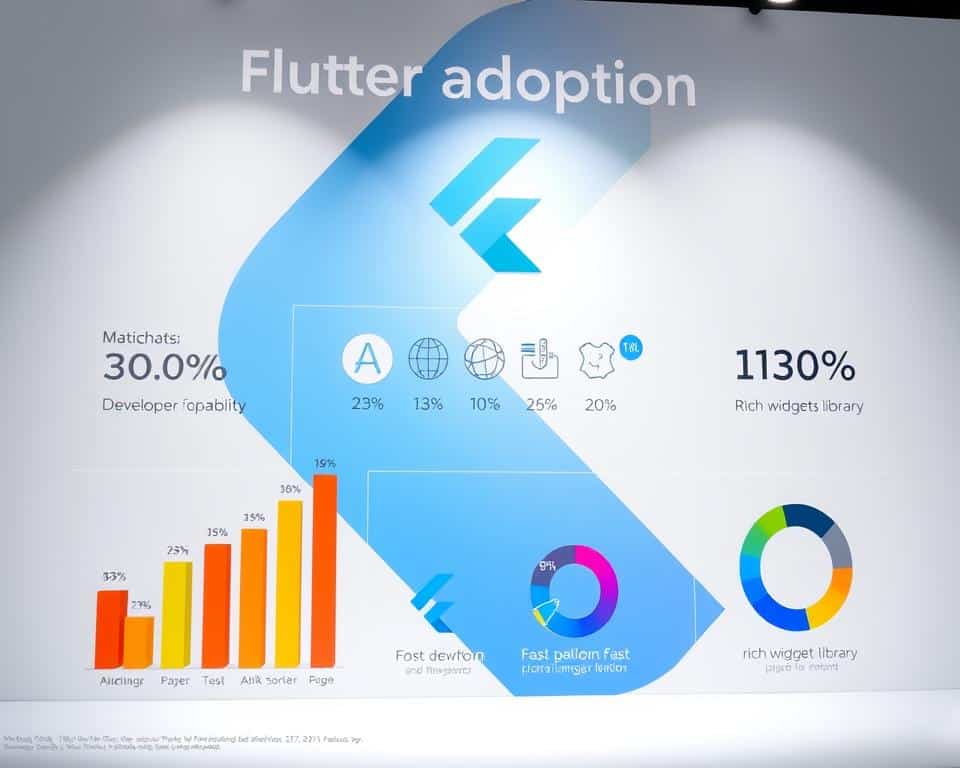
Recent market statistics show a big jump in Flutter use. A survey by Statista Research found over 42% of developers choose Flutter for cross-platform apps. They like it because it offers a native-like experience on various platforms.
Many big companies are now using Flutter. Its flexibility and wide range of widgets make it a top pick for developers.
Growth Trajectory Since Launch
Since Google launched Flutter, it has grown a lot. The framework has gotten better with updates and new features. Now, Flutter is great for making complex, fast apps.
Flutter’s growth is thanks to its active community and Google’s support. It makes app development easier without sacrificing quality. This has made it very popular.
As more people want cross-platform apps, Flutter is set to stay a favorite. Its market statistics and growth trajectory show it’s a key player in app development’s future.
Single Codebase, Multiple Platforms: The Flutter Advantage
Flutter makes app development easier by using one codebase for many platforms. This saves time and money. It’s great for developers and businesses, making app creation faster and reaching more people.
Write Once, Deploy Everywhere
Flutter’s core idea is “write once, deploy everywhere.” Developers can make apps that work well on Android, iOS, web, and desktop with just one codebase. This saves time and makes app maintenance simpler.
Flutter’s framework helps apps fit different screens and devices. This ensures a smooth experience for users on any platform.
Supported Platforms and Capabilities
Flutter is very versatile. It works on mobile, web, and desktop platforms. This lets developers reach a wide audience with one app, increasing market reach.
Flutter also has a wide range of widgets and APIs. These tools help developers make complex, fast apps. Whether it’s a simple app or a big enterprise solution, Flutter has what you need.

Hot Reload: Transforming the Development Experience
Hot Reload is a big deal in Flutter development. It lets developers make real-time code changes without losing the app’s current state. This is super helpful during debugging, making it easy to tweak apps.

Real-Time Code Changes
The Hot Reload feature lets developers update the app’s code while it’s running. They see the changes right away, without having to restart. This makes development faster and easier, perfect for testing and debugging.
Impact on Development Speed and Workflow
Hot Reload gives instant feedback on code changes. This speeds up the development process a lot. Developers can spot and fix problems fast, making the workflow smoother and more efficient.
So, teams can make high-quality apps quicker. They can keep up with the fast pace of the market.
Flutter’s Widget-Based Architecture
Flutter’s core is its widget-based architecture. This makes UI development simpler. It’s key to understanding how Flutter helps developers build complex, customizable interfaces.
Understanding Flutter Widgets
Flutter widgets are the foundation of any Flutter app. They are UI components that can be simple, like buttons, or complex layouts. Developers can mix these widgets to create detailed UIs.
Widgets do more than just display UI; they handle layout, gestures, and state management too. This makes app development easier by reducing the number of things developers have to keep track of.
Customization and Flexibility
Flutter’s widgets stand out for their customization. Developers can tweak existing widgets or create new ones. This flexibility lets them tailor the app to their needs.
Flutter’s widgets make it easy to create a unique user experience. Developers can change the look of widgets to match their app’s brand or style.
Widget Tree and Rendering Pipeline
The widget tree shows all widgets in a Flutter app. When a widget’s state changes, Flutter updates the tree. This keeps the UI in sync with the app’s state.
The rendering pipeline turns the widget tree into pixels on the screen. It goes through layout, painting, and compositing stages. This ensures the UI is displayed efficiently.
| Stage | Description |
|---|---|
| Layout | Determining the size and position of widgets. |
| Painting | Converting widgets into pixels. |
| Compositing | Combining the painted widgets into a single screen image. |
As
“Flutter’s widget-based architecture allows for a declarative style of programming, making it easier to reason about and debug the UI.”
, the Flutter team notes. This architecture is a big plus for building strong apps.
Performance Comparison: Flutter vs. React Native vs. Xamarin
Choosing the right framework for cross-platform app development is key. Flutter, React Native, and Xamarin are top choices, each with its own benefits and drawbacks.

Rendering Mechanisms
The way an app renders is crucial for its performance. Flutter uses Skia, its own engine, for fast rendering. React Native relies on native UI components, which can vary in performance. Xamarin uses Mono to run C# code, then renders it natively.
A study showed Flutter leads in rendering speed and consistency. React Native’s performance depends on the platform. Xamarin’s is close to native apps.
Speed and Responsiveness
Speed and responsiveness are vital for a great user experience. Flutter’s architecture and Skia engine make it fast and responsive. React Native might have a slight delay due to JavaScript and native components. Xamarin’s native integration makes it fast, like native apps.
“Flutter’s performance is near-native, making it an attractive choice for developers who want to deliver high-quality user experiences without the complexity of maintaining separate codebases for different platforms.”
Resource Consumption
How much an app uses resources is important. Flutter uses less memory and CPU than React Native and Xamarin. This is thanks to its efficient engine and architecture.
| Framework | Rendering Mechanism | Speed and Responsiveness | Resource Consumption |
|---|---|---|---|
| Flutter | Skia Rendering Engine | Fast and Responsive | Low |
| React Native | Native UI Components | Generally Responsive, Platform-Dependent | Moderate |
| Xamarin | Native UI Components via Mono Runtime | Fast and Responsive, Comparable to Native | Moderate to High |
In summary, Flutter shines with consistent performance thanks to Skia and its architecture. React Native and Xamarin also have their strengths and weaknesses.
Flutter’s Material Design and Cupertino: Native Look and Feel
Flutter lets developers use Material Design and Cupertino for a smooth user experience. This is key for apps that feel right at home on Android or iOS.
Platform-Specific UI Components
Flutter has many widgets for Material Design and Cupertino. For Android, Material Design widgets give a consistent look. On iOS, Cupertino widgets match the native UI. This makes apps look good and work well on both platforms.
| Design Language | Platform | Key Features |
|---|---|---|
| Material Design | Android | Floating Action Buttons, Snackbars, Cards |
| Cupertino | iOS | Segmented Controls, Page Controls, Alerts |
Consistent Brand Experience Across Platforms
Flutter’s Material Design and Cupertino help keep a brand’s look the same on all platforms. A Flutter developer said, “Flutter’s widget-based architecture helped us keep our app’s brand consistent on Android and iOS. This boosted user engagement a lot.”
“Flutter’s ability to provide a native look and feel on both Android and iOS platforms has been a game-changer for our development process.”
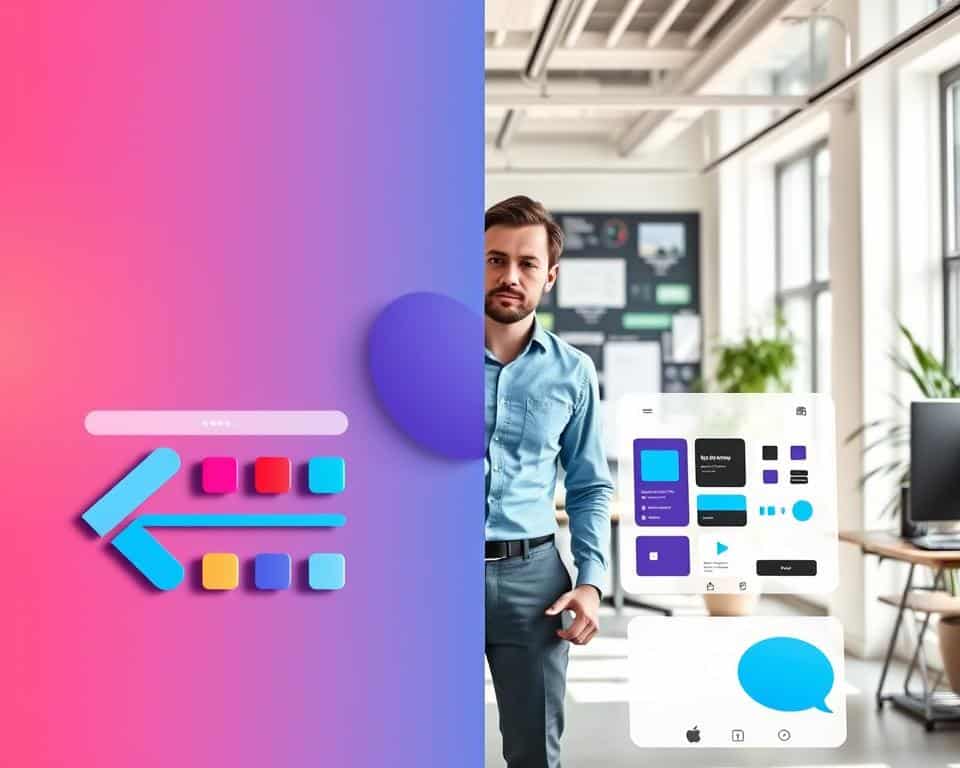
In summary, Flutter’s support for Material Design and Cupertino helps developers make apps that feel native. This ensures a consistent brand experience on all platforms.
Native Integration Capabilities
Flutter makes it easy for developers to use device hardware and software features. This is key for apps to feel right at home on Android and iOS.
Accessing Device Features
Developers can tap into features like camera, GPS, and contacts with Flutter plugins. These plugins connect Dart code to native device interactions.
Key device features accessible via Flutter plugins include:
- Camera and microphone access
- GPS and location services
- Contacts and calendar
| Device Feature | Flutter Plugin | Description |
|---|---|---|
| Camera | camera | Access to camera hardware for photo and video capture |
| GPS | geolocator | Access to GPS and location services |
| Contacts | contacts_service | Access to device contacts |
Platform Channels and Native Code Integration
When a plugin isn’t enough, Flutter’s platform channels come to the rescue. They let developers talk between Dart and native code in various languages.

Using platform channels, developers can link their Flutter apps with native modules. This boosts the app’s features and gives a more natural feel.
The Flutter Ecosystem and Community Support
Flutter’s success comes from its wide ecosystem. It has many packages, resources, and is easy for developers to learn.
Package Availability and Quality
The Flutter ecosystem has a huge collection of packages. These packages cover everything from UI components to complex tasks. They are checked carefully to ensure they are reliable and work well.
- Reliable Packages: Many packages are made and kept up by the Flutter team or skilled developers.
- Diverse Functionalities: Packages offer a wide range of functions, making it simpler for developers to find what they need.
Community Resources and Growth
The Flutter community is lively and helps the framework grow. It offers tutorials, forums, and open-source projects. This support is crucial for both new and experienced developers.
Some key community resources include:
- Official Flutter documentation and tutorials.
- Community-driven forums and discussion groups.
- Open-source projects on GitHub and other platforms.
Learning Curve and Developer Adoption
Flutter is easy to learn, especially for those who know object-oriented programming. The detailed documentation and community support help new developers get started.
Key factors influencing the learning curve include:
- The simplicity and clarity of the Dart programming language.
- The comprehensive nature of Flutter’s documentation.
- The availability of tutorials and learning resources.
Business Benefits of Choosing Flutter
As digital transformation speeds up, companies are choosing Flutter for its many benefits. It’s a great choice for making high-quality, cross-platform apps quickly.
Cost Efficiency in Development
Using Flutter can save a lot of money in development. It lets developers work on one codebase for many platforms. This means no need for separate teams for iOS and Android, cutting costs.
This single codebase makes development smoother. It also makes updates easier, saving money in the long run.
Time-to-Market Advantages
Flutter’s Hot Reload feature makes development faster. Developers can see changes right away without having to recompile the whole app. This, along with a wide widget library, helps businesses get their apps to market quickly.
By speeding up development and testing, companies can focus on other important business areas.
ROI Considerations for Startups and Enterprises
For startups and big companies, getting a good return on investment (ROI) is key. Flutter’s ability to make high-performance apps for many platforms from one codebase means better ROI.
Startups save money and develop faster. Big companies can use Flutter to improve their app systems.
Success Stories: Major Apps Built with Flutter
Flutter has been a game-changer in app development. It’s used by Google and big companies for their apps. This shows how versatile and popular Flutter is.
Google Products Using Flutter
Google is a big fan of Flutter. They use it for Google Ads and Google Stadis. This shows Google trusts Flutter to make top-notch apps.
Google Ads is a great example. It uses Flutter for a smooth user experience. The app works as well as native apps.
Enterprise Adoption Cases
Big companies like BMW and eBay use Flutter too. They use it to make their mobile apps better. This gives users a great experience on all devices.
Flutter helps these companies save time and money. They don’t have to keep separate code for each platform.
Startup Success Stories
Startups like InKubed and NuBank also love Flutter. It’s easy to use and helps them get their apps out fast. This lets them grow and compete better.
These stories show how Flutter helps startups innovate and grow. It’s a big help for them in the market.
Flutter for Web and Desktop: Expanding Horizons
Flutter is growing and now works on web and desktop apps. This is a big step for Flutter, making it easier for developers to create apps for many platforms.
Current Status and Capabilities
Flutter’s move into web and desktop is strong. For web, it uses the Dart compiler to JavaScript, working on modern browsers. This lets developers use their Flutter code for web apps.
On desktop, Flutter supports apps on Windows, macOS, and Linux. Its widget-based design means apps look the same on all platforms.
The Flutter team says web and desktop support is stable and fast. “Flutter’s web support is now stable, and we’re seeing a lot of interest from developers who want to deploy their apps on the web,” said a spokesperson. This is good for companies wanting to use cross-platform apps.
Future Roadmap and Flutter 3.0
The future of Flutter looks bright, with more work on web and desktop. Flutter 3.0 will improve performance, especially for web and desktop apps. It will also make it easier to use native device features in Flutter apps.
“The future of Flutter is all about expanding our reach and making it easier for developers to build great apps across multiple platforms,” said a Flutter team member. As Flutter grows, we’ll see more amazing apps made with it.
Conclusion: Is Flutter the Future of Cross-Platform Development?
Flutter has become a top choice for making cross-platform apps. It offers features like a single codebase and hot reload. These make app development easier for developers and businesses.
Many big apps have been made with Flutter, showing its success. Google’s support and investment in Flutter also highlight its importance. The question is, will Flutter lead the way in cross-platform development?
It’s hard to say for sure, but Flutter seems set to keep its leading role. As more apps need to work on different platforms, Flutter’s skills will be key. Flutter’s future looks bright, and it will have a big impact on app development.


